
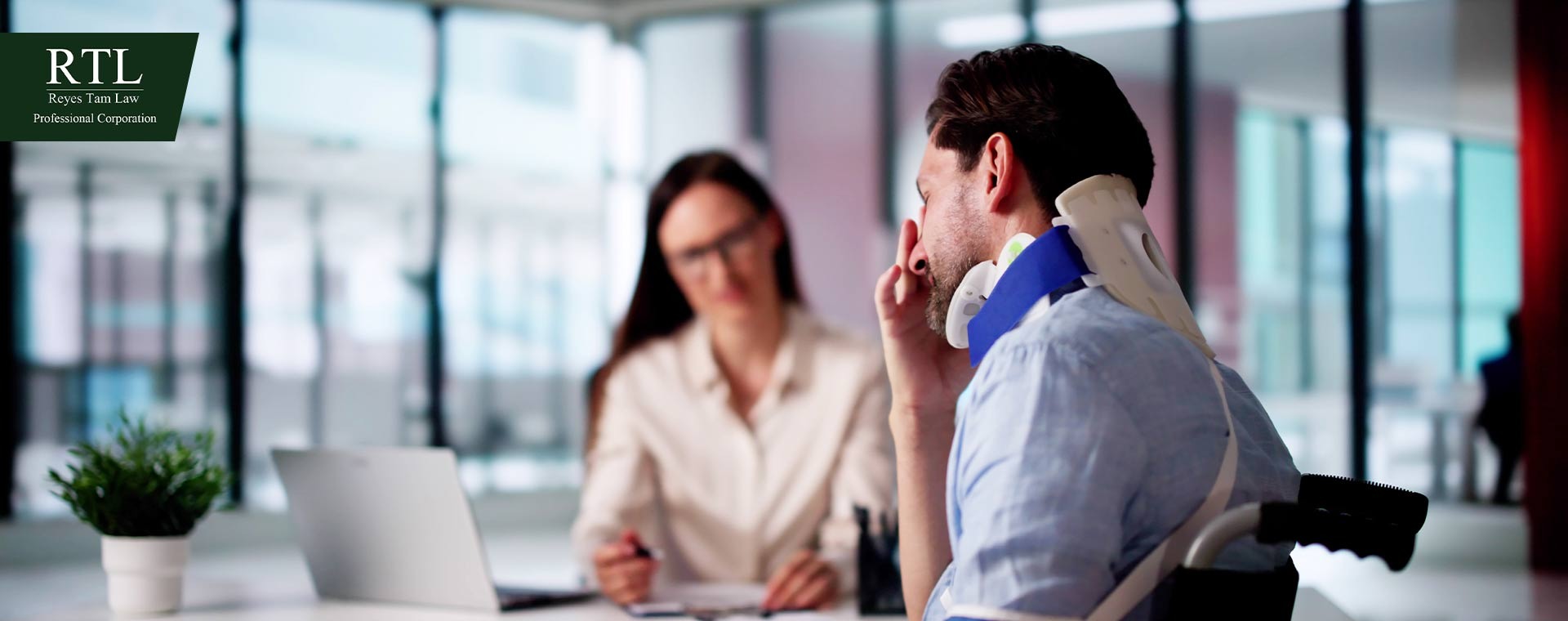
What Evidence Is Needed to Support a Personal Injury Claim?
You were injured because of someone else’s negligence. You know what happened, you know how it’s affected your life, but knowing something happened and proving it in a legal proceeding are two entirely different challenges. Without the right evidence for your personal injury claim, even a legitimate case can fall short of a fair outcome.
In over a decade of handling personal injury claims, we’ve seen cases with clear-cut facts settle far below their value, simply because the evidence wasn’t there to back them up. Understanding what evidence matters and how to protect it is one of the most important things you can do early on.
What Your Evidence Needs to Establish
Personal injury claims rest on two legal pillars, and your evidence must address both.
The first is liability. This means it must be clear that the defendant’s conduct was wrongful and that it caused you injuries.
The second is quantum, which is the dollar value of the damages you have suffered. This covers your medical expenses, lost wages, future care, as well as non -economic losses like pain and suffering. No vague descriptions of suffering can ever satisfy quantum; only concrete, documented evidence can. Every piece of evidence you gather should serve one or both of these purposes.
Medical Records and Treatment Documentation
Medical records are the single most scrutinized category of evidence in any personal injury file. They establish the timing of your injuries, the nature of your diagnosis, the treatment you received, and your prognosis going forward.
Your records should include:
- Emergency room reports and hospital admissions from the date of the incident
- Physician notes, diagnoses, specialist referrals, and imaging results (X-rays, MRIs, CT scans)
- Records from physiotherapists, chiropractors, and other treating professionals
- Prescription history and mental health assessments, where psychological injuries are part of your claim
Defence counsel and insurance adjusters review these records closely, looking for pre-existing conditions, gaps in treatment, or inconsistencies between what you reported to your doctors and what you’re claiming.
Physical and Documentary Evidence
All the physical and documentary evidence gathered at the time of the incident is the most persuasive evidence for a personal injury claim.
Physical and documentary evidence collected close to the time of the incident is among the most persuasive material a personal injury claim can rely on. Courts often place significant value on records created at or shortly after the injury occurred, before any legal claim was being pursued.
These include:
- Photographs of your injuries taken in the days following the incident
- Images of the accident scene or the hazardous condition involved
- Vehicle damage records, and any police or incident reports filed at the time
When seeking compensation for lost wages or reduced earning capacity, employment records and tax documents provide important evidence of your earnings before the accident and the financial impact of the injury.
Witness Testimony
Eyewitness accounts from people who saw the incident or who can speak about how your injuries have affected your daily life can provide valuable evidence. During the legal process and at trial, these witnesses testify under oath and may be questioned by both sides. Because of this, both the accuracy of their testimony and their credibility are important.
Witnesses generally fall into two groups.
- Scene witnesses, such as bystanders, first responders, or anyone present when the incident occurred, can support your account of how and why the injury happened.
- Personal witnesses, including family members, close friends, or coworkers, can describe the changes they have observed since the injury. This may include reduced physical abilities, changes in mood or behaviour, or difficulties performing activities and tasks that were once part of your normal routine.
Their statements should be consistent with your own account and the available records. When a witness’s testimony conflicts with medical records, accident reports, or other evidence, it can give the defence an opportunity to question the reliability of the claim.
Expert Evidence
For serious or permanently disabling injuries, expert reports are not optional; they’re essential. Courts rely on qualified experts to interpret medical, financial, and technical information that falls outside ordinary knowledge. The quality and credibility of your expert evidence often determine how a case is valued and whether it settles at an appropriate number.
In a typical personal injury file, big law firms work with several types of experts:
- Medical specialists – physiatrists, neurologists, or orthopedic surgeons who address diagnosis, prognosis, and permanent limitations
- Psychologists or psychiatrists – where psychological injuries such as PTSD, anxiety, or depression form part of the claim
- Occupational therapists and life care planners – who outline the cost of future care needs
- Economists or actuaries – who calculate the present value of lost future income
- Accident reconstruction engineers – who address how the incident occurred and assign causation
Expect the opposing side to retain their own experts. Defence medical examinations are standard in most personal injury claims, and the insurer’s experts will be looking for grounds to minimize the severity of your injuries.
Social Media and Surveillance
Courts in Ontario have accepted posts, photos, videos, and comments from platforms like Facebook, Instagram, and TikTok as evidence in personal injury proceedings. It is also common for defence insurers to hire private investigators to conduct video surveillance of plaintiffs. The purpose is often to look for evidence that contradicts the limitations described in medical records or during discovery.
A few important points to keep in mind:
- Social media content can be reviewed and presented as evidence.
- Photos, videos, and public comments may be used to challenge claims about physical limitations.
- Surveillance footage may be gathered over several days and compared against medical evidence and testimony.
- Consistency between your reported injuries, daily activities, and public posts is important.
You do not need to avoid normal activities or disappear from public life. However, you should be mindful of what you share online.
Start Building Your Evidence Early
The strongest personal injury claims are the ones where evidence for a personal injury claim was preserved from the beginning, not reconstructed after the fact.
Early documentation, consistent medical care, and accurate reporting across every touchpoint lay the groundwork that holds up under scrutiny.
If you’ve been injured and you’re unsure where to start, the right time to speak with a lawyer is now, not after evidence has been lost or credibility has been compromised.
Speak with Reyes Tam Law
At Reyes Tam Law, we work closely with injured clients to identify, preserve, and present the evidence that supports a strong claim. From the first consultation through to resolution, our team guides you through every step of the process with the knowledge and preparation your case deserves.
Contact us today to discuss your claim.