

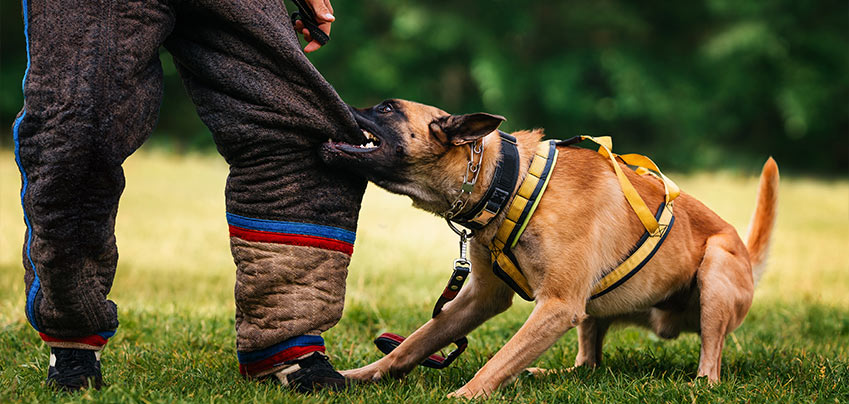
A dog attack can happen in seconds, but the damage doesn’t end there. One moment you’re walking through your own neighbourhood, and the next you’re bleeding, in shock, and trying to figure out who’s responsible for what just happened to you. Dog bites aren’t always as “minor” as people assume. You could be looking at stitches, nerve damage, a scarred face or hand, and a lasting fear of dogs that follows you around for years, especially if the victim is a child.
What makes it worse is that most victims have no idea where they stand legally. Is the owner actually liable? Does it matter if the dog “never did this before”? Who pays for the surgery, the therapy, the time off work? These are the questions insurance adjusters count on you not asking, because every one you skip is money out of your pocket.
If a dog bit you or your child in Toronto, you don’t have to sort any of this out alone. At Reyes Tam Law, your case gets our full attention from the first call, not a rushed settlement offer designed to close the file quickly.
Ontario’s Dog Owners’ Liability Act: Why Dog Bite Claims Are Different
Dog bite cases don’t work the way most people expect. You’ve probably heard of the “one free bite” rule, where an owner escapes liability unless their dog had bitten someone before. That rule doesn’t apply in Ontario.
Under the province’s Dog Owners’ Liability Act(DOLA), an owner is held strictly liable for injuries their dog causes. It doesn’t matter if the dog had never shown aggression before. It doesn’t matter if the owner swears the dog is “usually friendly.” If their dog bit you, they’re on the hook.
This is a major advantage for victims. In most personal injury claims, you need to prove the other party acted negligently. In a Toronto dog bite claim, you mainly need to prove the dog caused your injury and identify who owned or was in control of it at the time.
But that doesn’t mean these claims settle themselves. Insurance companies still argue over the severity of your injuries, whether you provoked the dog, or whether you were on the owner’s property legally. That’s exactly where a lawyer earns their fee.
Who Can Be Held Liable for a Toronto Dog Bite?
The dog’s owner is the obvious first target for a claim, but they’re not always the only one who can be held responsible.
Liability can extend to:
- The dog’s owner – the person legally registered as the dog’s owner, or the person who kept and controlled the dog at the time of the attack
- A “harbourer” of the dog – someone who wasn’t the legal owner but was housing, feeding, or caring for the dog, such as a pet sitter, dog walker, or family member
- A landlord or property manager – if they knew a dangerous dog lived on the property and failed to act on it
- A business owner – if the attack happened at a store, restaurant patio, or another commercial property that allowed dogs and failed to enforce reasonable safety measures
Identifying every liable party matters, because it affects where the compensation actually comes from. Most dog bite settlements are paid out through a homeowner’s or tenant’s insurance policy, not out of the dog owner’s own pocket. If the owner has no insurance, we look at every other avenue available to you, including the property owner’s coverage.
What to Do Immediately After a Dog Bite in Toronto
What you do in the hours and days after a dog attack can make or break your claim later. Here’s what we recommend:
Get medical attention right away. Even a small puncture wound can carry infection risk, and you’ll need a doctor’s assessment for rabies risk and tetanus.
Report the bite to Toronto Animal Services. Call 311 or file a report online. This creates an official record and can trigger a dangerous dog investigation under Toronto’s animal control bylaw.
Identify the dog and its owner. Get their name, address, and contact information if you can do so safely.
Photograph everything. The wound, torn clothing, the location of the attack, and the dog itself if possible.
Get witness contact information. Anyone who saw the attack can support your version of events later.
Keep every medical record and receipt. Follow-up appointments, prescriptions, and physiotherapy all count toward your claim.
Speak with a Toronto dog bite lawyer before speaking with the owner’s insurer. Insurers often reach out fast, and what you say to them early can be used to undervalue your claim.
Why Choose Us as Your Toronto Dog Bite Lawyer
Dog bite claims move fast when insurers get involved, and you need someone in your corner just as fast. At Reyes Tam Law, we handle every part of your claim, from reporting requirements to negotiating with insurance adjusters who’d rather pay you less than you deserve.
You won’t be another file number to us. We take the time to understand how the attack has changed your life, whether that’s a visible scar you didn’t have before, a child who’s suddenly afraid to play outside, or weeks of missed work while you recover.
And we don’t get paid unless you do. Our consultations are free, and there’s no obligation to move forward until you’re ready.
If a dog bit you or someone you love in Toronto, don’t wait to find out where you stand. Contact Reyes Tam Law today for a free, no-obligation consultation with a Toronto dog bite lawyer who will fight for the compensation you deserve.
Frequently Asked Questions
Can I still make a claim if I provoked the dog?
Provocation can reduce or bar a claim, but insurers often stretch the definition to avoid paying. Startling a dog, approaching it, or being present isn’t the same as provoking an attack. We review exactly what happened before accepting any insurer’s version of events.
What happens if the dog that bit me is a banned breed in Ontario?
Ontario restricts pit bulls under the Dog Owners’ Liability Act, and owning one in violation of that law can work against the owner in a civil claim. It doesn’t replace strict liability, but it adds another angle showing the owner disregarded legal responsibilities.
How long does a Toronto dog bite claim typically take to settle?
It depends on how severe your injuries are and how long your recovery takes to stabilize, since settling before you’ve healed can undervalue your claim. Straightforward cases may resolve in months, while claims involving scarring, surgery, or long-term therapy often take longer.